




CyberKnife
What is a CyberKnife?
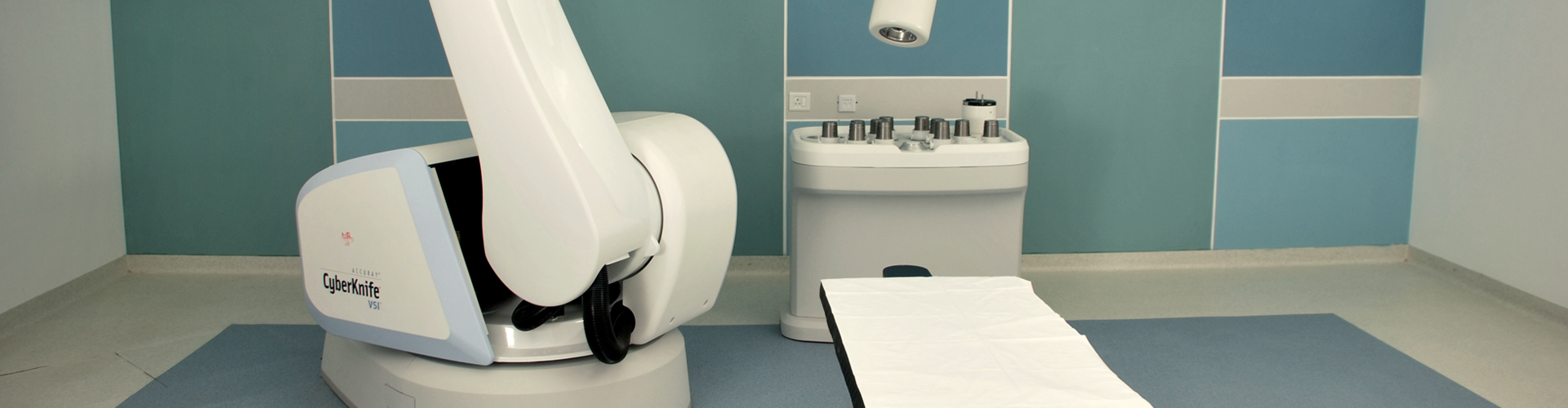
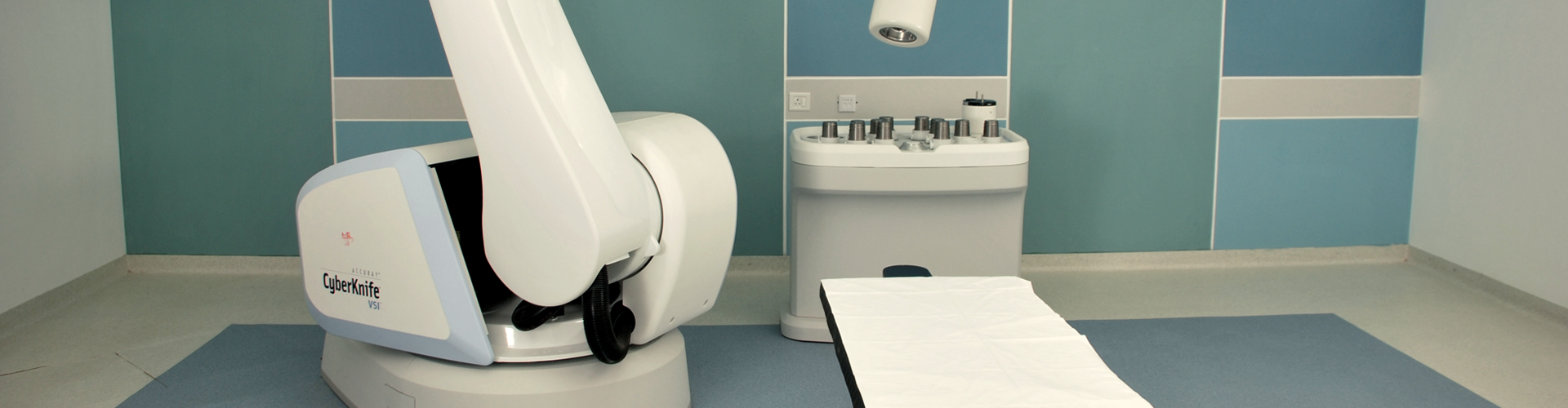
The CyberKnife VSI Robotic Radiosurgery System is a non-invasive alternative to surgery for the treatment of both cancerous and non-cancerous tumours anywhere in the body including the Prostate, Lung, Brain, Spine, Liver, Pancreas and Kidney. The tre atment delivering beams of high-dose radiation to tumours with extreme accuracy offers new hope to patients worldwide. Though its name may conjure images of scalpels and surgery, the CyberKnife VSI treatment involves no cutting. In fact, the CyberKnife VSI System is the world’s first and only Robotic Radiosurgery system designed to treat tumours throughout the body non-invasively. It provides a pain-free, non-surgical option for patients who have inoperable or surgically complex tumours or who may be looking for an alternative to surgery. A robotic arm is used in this technology to engage the radiation rays with any part of the body. A Lightweight Linear Accelerator, commonly abbreviated as LINAC, is involved with a Robotic arm, ensuring view from different angles.
Read MoreHow Does It Help?
The invention of Cyberknife is a great help to all the patients who are dealing with the deadly tumours.
- CyberKnife is used as a boost, for post-op residual or recurrent cases in malignant gliomas/glioblastomas. Brain tumours that may form good indications for CyberKnife radiosurgery include neuromas arising from other nerves, pituitary adenomas, hem...

How Is It Done?
Step-by-step procedures and care protocols for this technology.
Preparation
Preparing for Cyberknife
- Evaluation: Post-diagnosis, Cheema doctors may recommend CyberKnife treatment depending on the patient’s specific requirements. A team of Cheema doctors, including radiation oncologists, medical oncologists and surgeons along with medical physicists, radiation technicians and nurses work together to define the care plan for the patient.
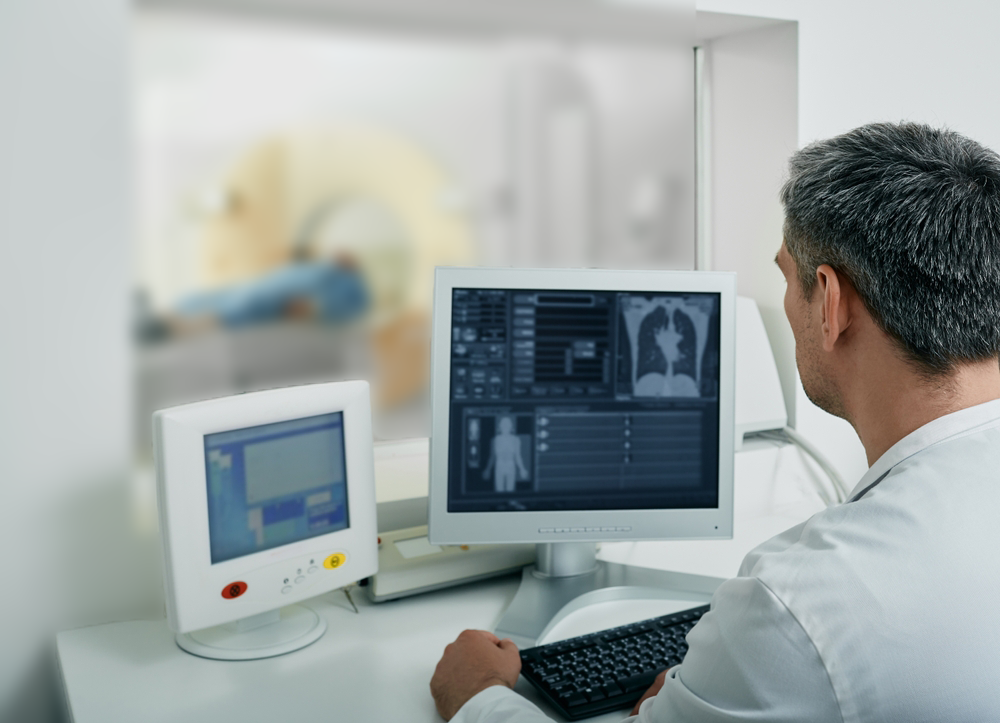
- Imaging and treatment planning: Before the treatment begins an MRI, CT or CT/PET scan is taken to determine the size, shape and location of the tumour. Images from these scans are digitally transferred to the CyberKnife’s treatment planning workstation, where Cheema’s specialists identify the tumour to be targeted and its surrounding vital structures to be protected. The plan is designed to match the desired radiation dose for the tumour and limit exposure to the surrounding healthy tissue.
- Fiducial placement: Depending on the type and location of the tumour, fiducials (small golden markers) are inserted to determine the exact location of the tumour.
What Are The Benefits & Risks Of This Technology?
Though the name may bring in the image of scissors and a scalpel, the technology is non-invasive and painless.
- Short-term side effects Nausea Fatigue Headache

What Makes CyberKnife So Unique?
• Unrivalled accuracy: The CyberKnife system can treat moving tumours with pinpoint accuracy, which is unmatched by other radiosurgery systems. This is especially important when treating tumours that move with any body function (e.g., breathing).
• Unlimited flexibility and freedom: The CyberKnife system’s robotic manoeuvrability allows doctors to deliver highly individualised treatments. With a linear accelerator mounted on a flexible robotic arm, CyberKnife clinicians at Cheema can select various angles targeting the tumour with a high dose of radiation from every conceivable angle.
• Real-time image guidance: The CyberKnife uses a very sophisticated 6D image guidance system to track and continually adjust treatment for any movement of the patient or tumour.
• Convenient: Depending on the type of tumour, patients need only one to five CyberKnife treatments, typically lasting less than an hour each, while other radiation systems require dozens of treatments spread over several weeks.
• Patient safety: Unlike other gantry based linear accelerators, the CyberKnife operates on a fully integrated closed loop system. Each function works in unison to ensure the safest possible patient experience.