


Achilles Tendon Injury: Symptoms, Causes, Treatment & Recovery
Achilles Tendon Injury: Symptoms, Causes, Treatment & Recovery
Request a Callback
Our care team will contact you shortly.
Symptoms
Here are the symptoms of Achilles Injury:
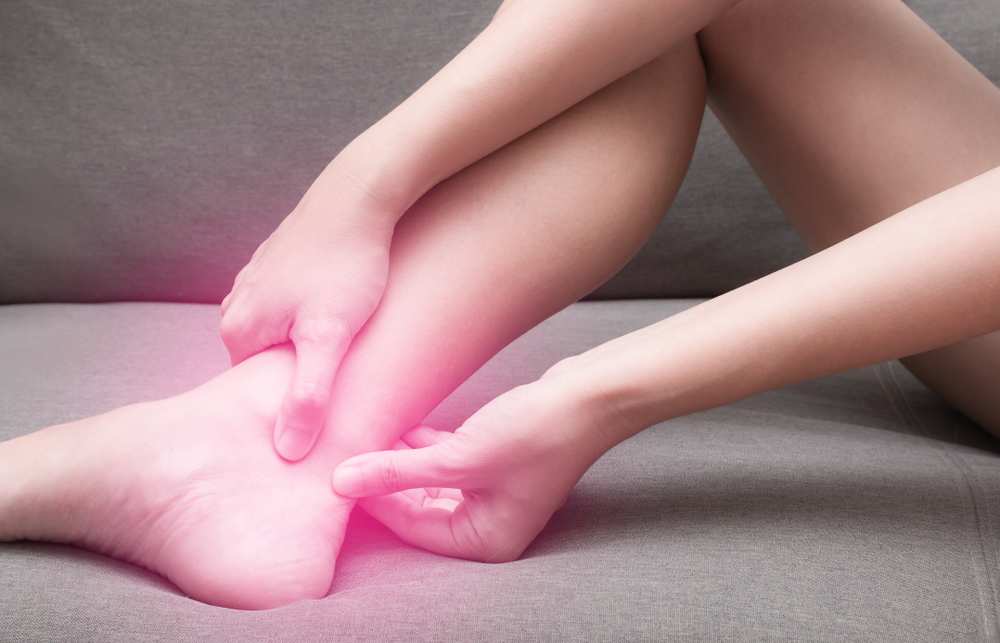
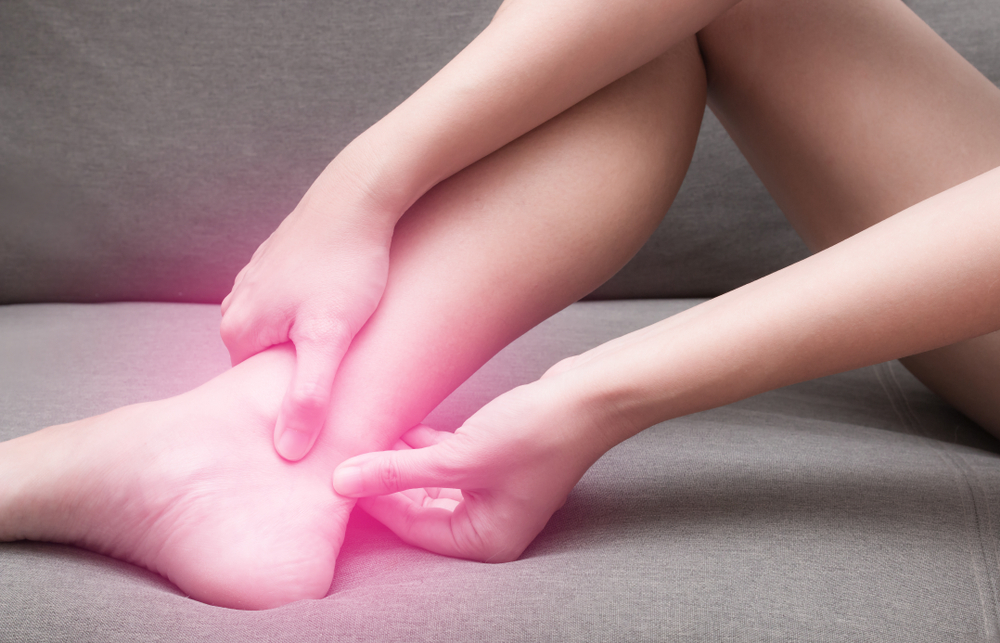
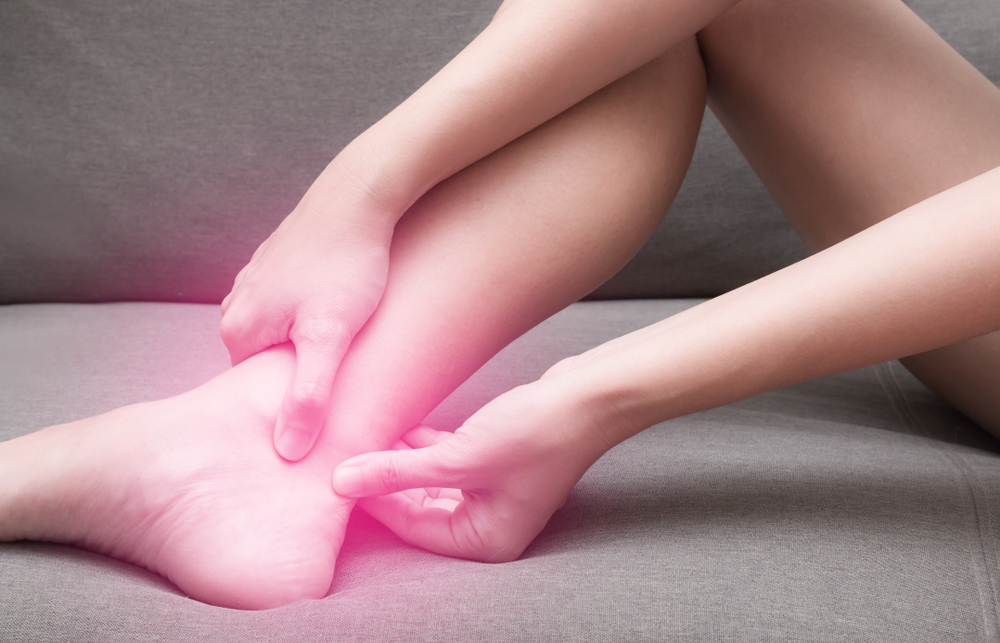
Pain: Discomfort in the posterior part of the ankle or heel is a prevailing indication of an Achilles tendon injury. The severity of this unpleasant sensation may vary from a minor irritation to acute agony and may be persistent or sporadic contingent on specific movements or actions.
Swelling: Swelling in the vicinity of the Achilles tendon is also prevalent. This can either be confined to a particular region or stretch up towards the rear of the calf.
Stiffness: Stiffness in the ankle joint can be a common aftermath of Achilles tendon injuries, which may impede the smooth movement of the foot and walking pattern.
Tenderness: An injury to the Achilles tendon may cause sensitivity in the surrounding area, resulting in discomfort when applying pressure on the ankle or wearing shoes that create friction against the tendon. Experiencing tenderness while touching the affected area is a common symptom.
Loss of strength: The ankle and foot may experience a loss of strength in situations where the Achilles tendon injury is more serious. This can result in challenges while performing day-to-day tasks such as standing, walking, or engaging in any other physical activity.
Popping sound: At times, when an injury occurs, an abrupt and piercing popping noise might be audible. Subsequently, this is frequently chased by instantaneous discomfort and obstacles in walking.
Causes of Achilles Tendon Injury
Achilles tendon injury can be caused by a variety of factors, including overuse, sudden trauma, degeneration, and certain medical conditions. Here are the common causes of Achilles tendon injury:
Overuse: Amongst the causes of Achilles tendon injury is overuse. Repetitive stress and strain on the tendon can cause it to become inflamed, swollen, and painful. This is especially true for individuals who are in high-impact activities.
Sudden trauma: A sudden, forceful impact to the tendon can also cause Achilles tendon injury. This can occur during sports, falls, or other types of accidents. In some cases, a complete rupture of the tendon may occur, requiring surgery to repair.
Degeneration: As we age, our tendons naturally lose elasticity and strength, making them more prone to injury. This is especially true for the Achilles tendon, which can undergo degradation over time, resulting in weakness, stiffness, and an increased risk of injury.
Poor conditioning: Individuals who are not physically active or who have poor conditioning are more susceptible to Achilles tendon injury. Weak muscles, poor flexibility, and poor circulation can contribute to an increased risk of injury.
Medical conditions: Certain medical conditions can increase the risk of Achilles tendon injury. These conditions can affect the strength and flexibility of the tendon and make it more prone to injury.
Medications: Some medications can weaken the tendon and increase the risk of injury.
Causes of Achilles Tendon Injury
Achilles tendon injury can be caused by a variety of factors, including overuse, sudden trauma, degeneration, and certain medical conditions. Here are the common causes of Achilles tendon injury:
Overuse: Amongst the causes of Achilles tendon injury is overuse. Repetitive stress and strain on the tendon can cause it to become inflamed, swollen, and painful. This is especially true for individuals who are in high-impact activities.
Sudden trauma: A sudden, forceful impact to the tendon can also cause Achilles tendon injury. This can occur during sports, falls, or other types of accidents. In some cases, a complete rupture of the tendon may occur, requiring surgery to repair.
Degeneration: As we age, our tendons naturally lose elasticity and strength, making them more prone to injury. This is especially true for the Achilles tendon, which can undergo degradation over time, resulting in weakness, stiffness, and an increased risk of injury.
Poor conditioning: Individuals who are not physically active or who have poor conditioning are more susceptible to Achilles tendon injury. Weak muscles, poor flexibility, and poor circulation can contribute to an increased risk of injury.
Medical conditions: Certain medical conditions can increase the risk of Achilles tendon injury. These conditions can affect the strength and flexibility of the tendon and make it more prone to injury.
Medications: Some medications can weaken the tendon and increase the risk of injury.
Preventing Achilles tendon injury
Preventing Achilles tendon injury requires taking a proactive approach to maintain the strength and flexibility of the tendon. Here are some tips to prevent Achilles tendon injury:
Warm-Up and Stretch: Before engaging in physical activity, it is essential to warm-up and stretch the muscles and tendons, including the Achilles tendon.
Wear Proper Footwear: Wear well-fitting shoes that provide proper support and comfort for the feet and ankles.
Gradual Increase in Physical Activity: Gradually increasing the intensity, duration, and frequency of physical activity can reduce the risk of overuse injury.
Cross-Training: Incorporating different types of physical activities can promote overall fitness.
Proper Nutrition: Take a balanced diet rich in nutrients to help maintain strong bones and muscles.